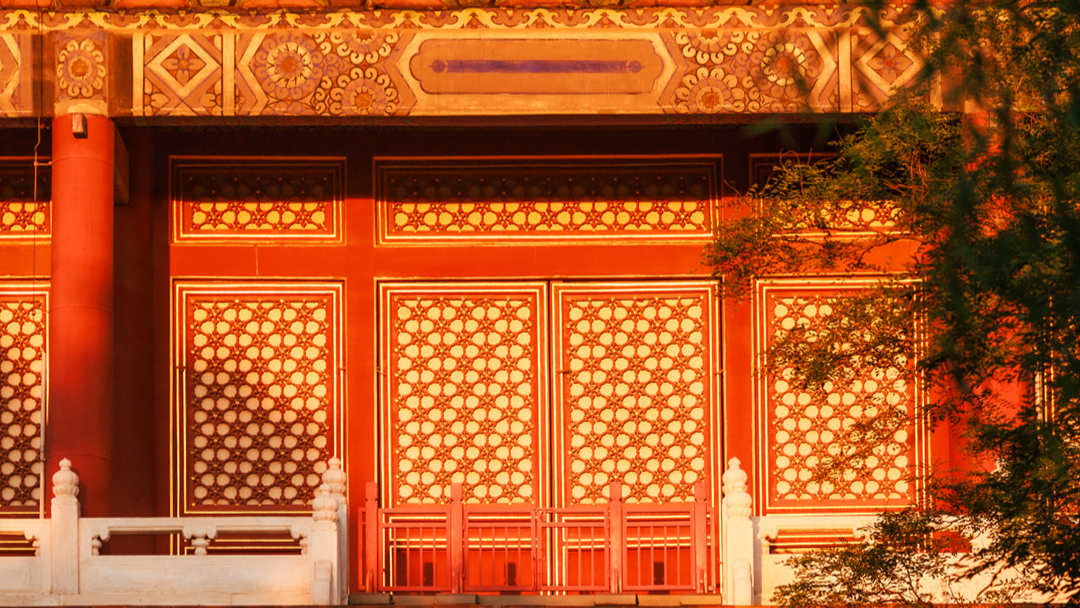
Beijing Palace Museum
Overview
The Beijing Palace Museum, also known as the Forbidden City, stands as one of the most renowned cultural landmarks in China. This historical edifice, located in the heart of Beijing, serves as a repository of Chinese art and culture, offering a glimpse into the majestic history of China's imperial past. The museum is an architectural marvel, a sprawling complex of traditional Chinese palaces that have been meticulously preserved. Built in the early 15th century during the Ming Dynasty (1368-1644), the Forbidden City was the imperial palace for 24 emperors of the Ming and Qing dynasties (1368-1911). It covers approximately 180 acres, featuring 980 surviving buildings and surrounded by a 52-meter-wide moat and a 10-meter-high wall. The Forbidden City was not only the political center of China but also the cultural and artistic heart of the country for nearly 500 years.
Today, the Beijing Palace Museum is a symbol of Chinese heritage and a major tourist attraction, drawing millions of visitors from around the globe each year. Its vast collection encompasses over 1.8 million pieces, including paintings, ceramics, bronzeware, jade, and other artifacts, representing the zenith of Chinese craftsmanship and artistry. The museum's importance extends beyond its historical and artistic value; it plays a pivotal role in cultural education, research, and the preservation of China's vast cultural heritage. Its exhibitions often focus on different aspects of Chinese history and culture, such as the one featuring ancient figure paintings that highlight the elegance, inner strength, and daily life of women throughout Chinese history. These exhibitions serve to educate both domestic and international audiences about the rich tapestry of Chinese civilization.
Cultural Collaborations and Global Influence
The Beijing Palace Museum has established itself as a nexus of cultural exchange and collaboration, fostering ties with institutions and organizations worldwide. Its collaborations with the Hong Kong Palace Museum highlight the strength of these cultural connections. In 2012, the Beijing Palace Museum entered into an agreement with Hong Kong's Leisure and Cultural Services Department to regularly host exhibitions in Hong Kong. This partnership has facilitated the exchange of invaluable collections and has drawn significant public interest, with exhibitions in Hong Kong attracting hundreds of thousands of visitors. This collaborative spirit underscores the shared cultural heritage between Beijing and Hong Kong and showcases the Palace Museum's role as a cultural ambassador on the global stage.
The museum's influence extends beyond exhibitions. It actively participates in global cultural dialogues, as evidenced by its involvement in international summits and conferences. Recently, the Beijing Palace Museum co-organized a two-day summit in Hong Kong, underscoring its commitment to fostering professional exchanges in heritage conservation and museum practices. These initiatives highlight the museum's dedication to sharing its rich heritage with the world and promoting mutual understanding through cultural diplomacy. The museum's collaborative efforts also include partnerships with institutions in other countries, such as the "Ages of Empires" exhibition, which showcased cultural relics from China and Russia, providing audiences with a comparative perspective on the grandeur of the Qing Dynasty (1644-1911) and the Russian Empire.
Contributions to Cultural Heritage and Preservation
The Beijing Palace Museum is at the forefront of cultural heritage preservation in China. Its efforts to conserve and restore the Forbidden City and its treasures are unparalleled. The museum's ongoing renovation projects, such as the restoration of the Hall of Mental Cultivation, are supported by generous donations from philanthropists and organizations, including those based in Hong Kong. These initiatives ensure the preservation of the Palace Museum's architectural and artistic legacy for future generations.
The museum also plays a crucial role in the field of archaeology and cultural research. As part of China's broader national strategy to enhance cultural confidence and influence, the museum contributes to archaeological projects and the documentation of China's rich historical narrative. Its involvement in these efforts is part of a wider government initiative to establish archaeological research bases and conduct cross-border projects, reflecting China's commitment to preserving and promoting its intangible cultural heritage. The museum's dedication to these endeavors underscores its pivotal role in safeguarding China's cultural legacy and highlights its contributions to the global understanding of Chinese civilization. Article reference1. Palace Museum displays paintings that capture timeless elegance of women. chinaservicesinfo.com. 20242. Exhibitions help forge closer cultural links between HK and mainland. chinadaily.com.cn. 20173. Russian and Chinese cultural relic exhibition held in E China. chinadaily.com.cn. 2017Photo Gallery(2 pictures)CategoriesCultural FacilityTagMuseumArt GalleryCatalogue1. Overview2. Cultural Collaborations and Global Influence3. Contributions to Cultural Heritage and Preservation- - - []








